Seawall Replacement in Pinellas County: Timeline, Process, and What to Expect (2026 Guide)
When Replacement Is the Right Call
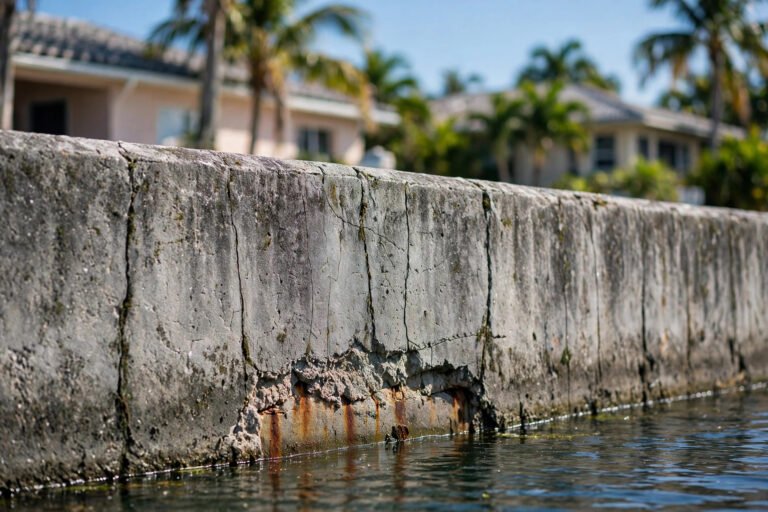
Most seawalls in Pinellas County do not fail all at once. They lean a little, then a little more. A crack opens, soil starts washing through it, and a dip appears in the yard a few feet from the cap. For a long time, repairs hold the line. Then one day they stop holding it, and the question changes from how to fix the wall to whether the wall is worth saving at all.
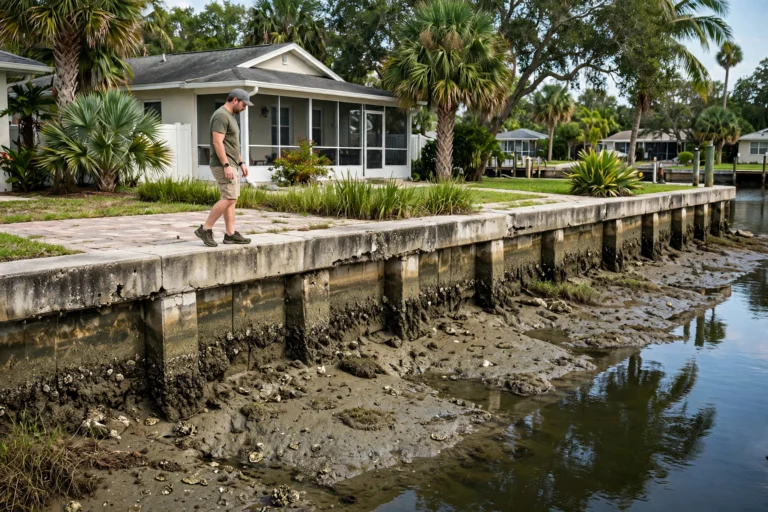
Replacement is the right call when the wall has lost its structure, not just its surface. Panels that have bowed more than a couple of inches, tiebacks that have snapped or corroded through, a cap that has separated from the panels, or a wall that keeps losing soil no matter how many times the voids are filled all point the same way. Our guide to seawall repair versus replacement in Pinellas County walks through the decision in detail. If the wall can still hold back the soil, repair it. If it cannot, replace it before it fails on its own schedule, which is always worse than yours.
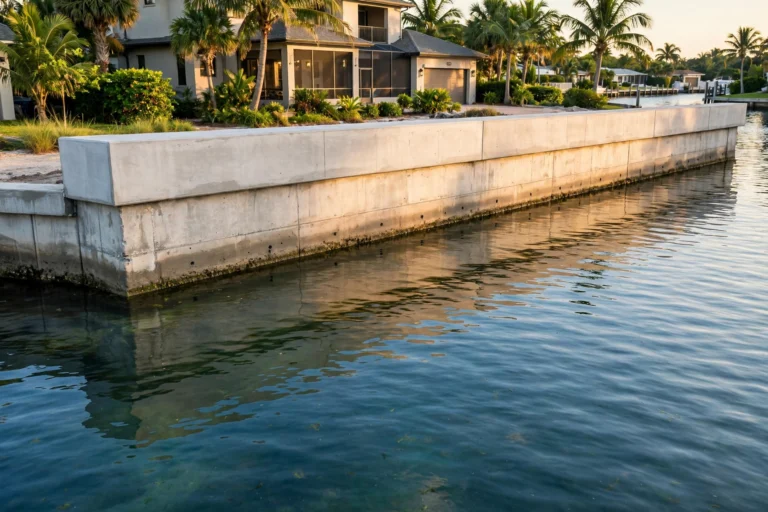
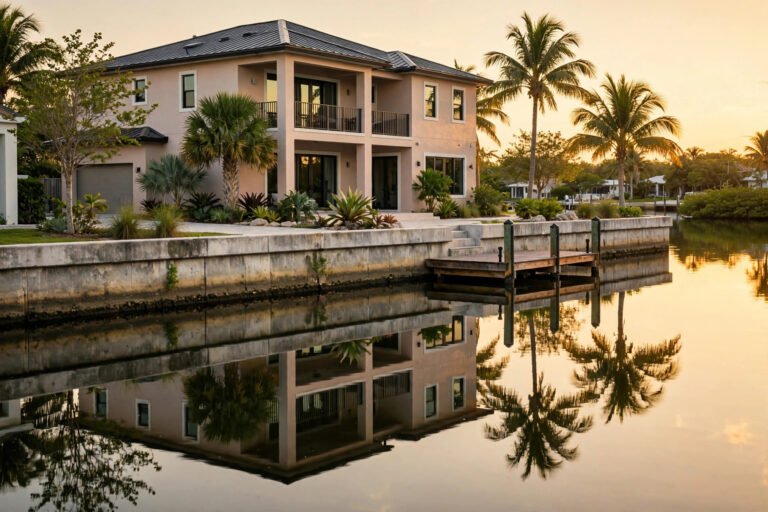
Age matters too. A concrete panel wall built in the 1970s or 1980s has given you forty or fifty years, and in the saltwater canals of St. Pete Beach, Treasure Island, and Indian Shores, that is a full life. Patching a wall that old buys a year or two at a time. A new wall resets the clock for another fifty years, and in a market where buyers and insurers both look hard at the seawall, that reset is worth real money.
The Full Timeline at a Glance
The single most common surprise for Pinellas County homeowners is how long a replacement takes from the first phone call to the last inspection. The crew is only on your property for a few weeks. The whole project, including engineering and permits, typically runs four to eight months. Anyone who quotes a six week job is usually counting only construction and leaving out the paperwork, where most projects actually live.
Here is the honest shape of it. Inspection and engineering take two to four weeks. Permits take one to four months, depending on your waterway and whether the state and federal reviewers need a closer look. Construction takes four to ten weeks depending on material and wall length. Final inspection and yard restoration take another two to three weeks. Plan for the long end of each range, and start in the dry season from November through May.
Step 1: Inspection and Engineering
Everything starts with a marine engineer, not a contractor. The engineer inspects the existing wall, often with a dive survey below the waterline, probes the soil behind the wall, and measures the canal bottom. In Pinellas County, an inspection typically runs $600 to $2,500 as of 2026, and the sealed engineering drawings that follow typically run $2,000 to $5,000. Those drawings are not optional. The county and the state both require them.
The engineering answers three questions that decide the whole project. How deep do the new panels need to go to reach load bearing soil. What tieback system will hold the wall against the soil behind it. And how high must the new cap sit. After Hurricane Helene, many homeowners are building their replacement caps higher than the old wall, and our guide to raising your seawall in Pinellas County covers the costs and permits involved.
This is also the moment to settle the material question. Vinyl sheet pile is the most common residential choice in Pinellas County now: it will not corrode, it goes in faster, and it is usually the lower cost option. Precast concrete panels are heavier, stiffer, and the traditional choice for taller walls and deeper water. Our comparison of vinyl versus concrete seawalls in Pinellas County lays out the tradeoffs in full.
Step 2: Permits, the Long Part
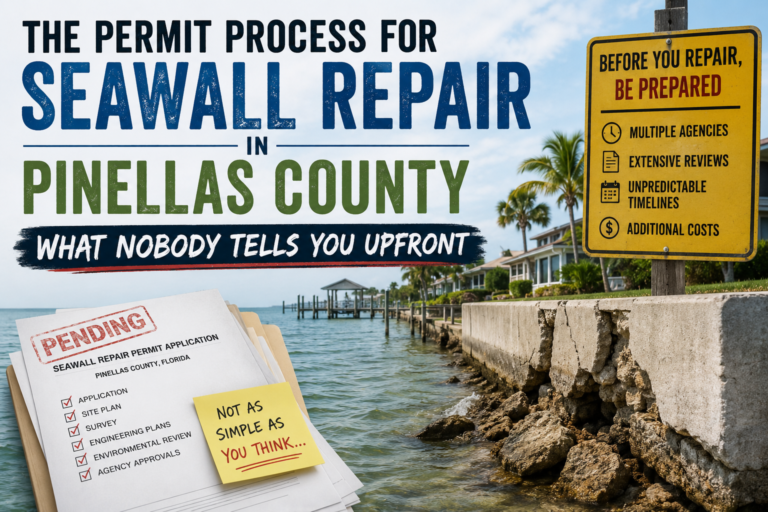
A residential seawall replacement in Pinellas County can need approval from three different regulators before a single panel goes in the ground. Your city or the county building department issues the local building permit. The Florida Department of Environmental Protection reviews impacts to submerged lands, water quality, and seagrass. And the U.S. Army Corps of Engineers reviews the work in navigable waterways.
Most straightforward residential replacements qualify for streamlined reviews. The state review is commonly a Noticed General Permit that takes 30 to 60 days, and the federal review is commonly a Nationwide Permit that also runs 30 to 60 days. Those clocks usually run at the same time, which helps. Complex sites take longer. If your canal has seagrass beds or manatee habitat, the state can require a full Individual Environmental Resource Permit that runs 60 to 120 days or more, and a federal Individual Permit can take six to eighteen months on the hardest sites. Your contractor should file these, and you should ask for the permit numbers so you can check the status yourself. Permit fees are usually not in the base quote, so budget $1,000 to $3,000 or more separately as of 2026. Our guide to the seawall permit process in Pinellas County walks through each approval and what it asks for.
Step 3: Demolition and Site Preparation
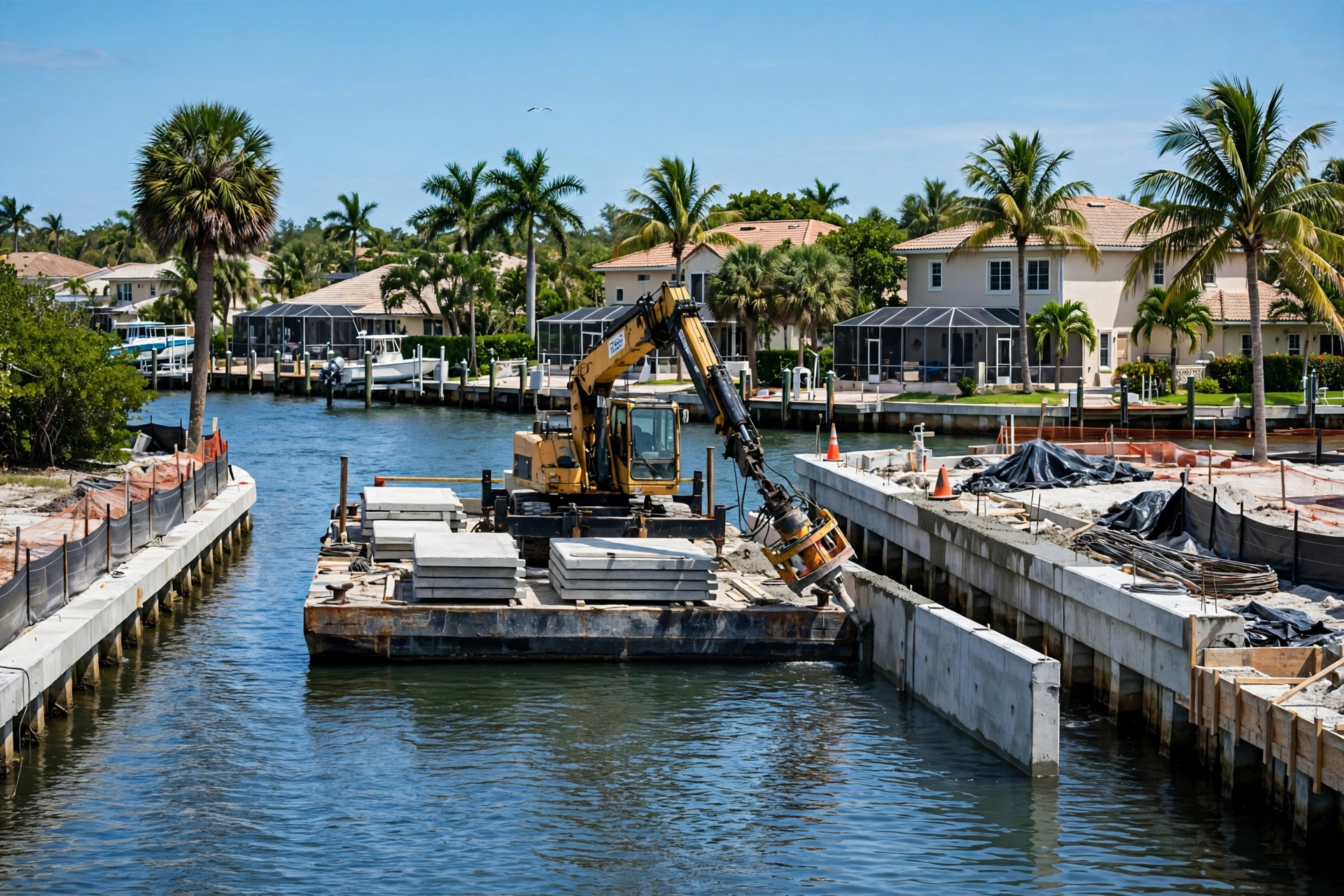
Once the permits are in hand, the barge arrives and the old wall comes out. The crew pulls or cuts the old panels, removes the old cap, and hauls the debris away. On a typical 100 foot residential wall, demolition takes three to seven days.
Access decides a lot here. A canal lot with a wide mouth and deep water lets the barge work freely, while a narrow canal can restrict the barge size and slow the work. Tell your contractor about any low bridges, shallow spots, or tight turns between the open water and your lot before the bid, not after the barge shows up. Your dock and boat lift usually come out first, so plan for your boat to live elsewhere for the duration of the job.
Step 4: Driving Panels and Setting Tiebacks
This is the core of the job. The crew drives the new sheet pile or sets the new precast panels into the canal bottom, working section by section along the wall. Vinyl sheet pile goes in with a vibratory hammer and moves quickly, which is why a vinyl wall can be up in four to six weeks. Concrete panels are heavier, need a crane, and typically take six to ten weeks for the same length.
Tiebacks go in as the panels rise. These are the steel rods or helical anchors that run from the wall back into solid soil, and they are what keep the wall from leaning toward the water over the next fifty years. They are installed every eight to ten feet and then tensioned. A wall without properly set tiebacks is just a fence standing in the water, and this is the part of the job where a cheap bid usually cuts corners.
Step 5: Cap, Backfill, and Cure Time
Once the panels and tiebacks are in, the crew forms and pours the concrete cap. The cap is the part you actually see and walk on, and it ties the whole wall together. Concrete cure time alone accounts for two to four weeks of the schedule, and it cannot be rushed. A cap loaded or backfilled before it has cured will crack, and a cracked cap lets saltwater reach the steel inside.
Backfill goes in behind the wall after the cap has gained enough strength. Clean fill, compacted in lifts, replaces the soil that washed out through the old wall over the years. This is also the moment when drainage matters most. A French drain and working weep holes behind the new wall protect the investment you just made, and our guide to seawall drainage in Pinellas County explains how those pieces work together.
Step 6: Final Inspection and Restoration
The last phase is the slowest in a different way. The county inspects the panels, the cap, and the tiebacks, and the state closes out its permit. Then the crew restores the site: sod, landscaping, pavers, and reattaching the dock and boat lift. Budget two to three weeks for this phase.
Keep every document from the project in one place when it is done: the sealed engineering drawings, the permit cards, the as-built survey, and the final inspection sign offs. You will need them when you sell, when you refinance, and when your insurer asks about the wall.
What Seawall Replacement Costs in Pinellas County in 2026
As of 2026, a full residential seawall replacement in Florida typically runs $500 to $1,200 per linear foot, with many Pinellas County projects landing in the $800 to $900 per foot range once engineering, permits, and the cap are included. A 100 foot wall therefore commonly totals $50,000 to $120,000 all in. Those are planning ranges, not quotes. The only number that matters is a written quote for your lot after an engineer has seen it.
Get three written quotes for the same scope, material, and cap height, so you are comparing jobs and not sales pitches. And beware the bid that is far below the others. In seawall work, a low bid usually means fewer tiebacks, thinner panels, or a cap poured without proper cure time.
Delays That Catch Homeowners Off Guard
Weather is the first delay. Summer thunderstorms stop barge work and concrete pours, which is why honest contractors schedule major sheet pile work for the dry months from November through May. Starting in June and expecting a fast job is the most common self inflicted delay in this business.
Material lead times are the second. Precast concrete panels are cast to order and need weeks to cure before they can be installed. Vinyl sheet pile is usually stocked, but a long wall or an unusual profile can still take weeks to arrive. Hidden conditions are the third: buried debris, an old failed wall behind the current one, or soil far softer than the borings suggested can all add a week and a few thousand dollars. A good contract has a written allowance for unforeseen conditions, so ask how yours handles them before you sign.
Talk to a Local Seawall Expert
If your wall is leaning, losing soil, or old enough that repairs have stopped holding, talk to someone who looks at Pinellas County walls every week. Call (727) 316-5675 for a straight answer about whether your wall needs replacement, what the timeline looks like for your lot, and what it should cost. A short conversation now beats a failed wall in the middle of hurricane season.
Q: How long does seawall replacement take in Pinellas County?
A: Four to eight months from first inspection to final sign-off. Construction takes four to ten weeks, but engineering and permits take one to four months before the crew ever arrives.
Q: How much does it cost to replace a seawall in Pinellas County in 2026?
A: As of 2026, most residential replacements run $500 to $1,200 per linear foot all in, with many Pinellas County projects landing around $800 to $900 per foot. A 100 foot wall commonly totals $50,000 to $120,000 including engineering, permits, and the cap.
Q: Do I need a permit to replace my seawall in Pinellas County?
A: Yes. A replacement typically needs a local building permit, a Florida Department of Environmental Protection permit, and a U.S. Army Corps of Engineers permit or authorization. Most straightforward residential jobs qualify for streamlined reviews that take 30 to 60 days each, and they usually run at the same time.
Q: Can I stay in my home during seawall replacement?
A: Yes, in most cases you can stay in the house. The work happens outside, mostly from a barge in the canal. Expect daytime noise from pile driving, a work zone in the backyard, and your dock and boat out of service for several weeks.