Seawall Soil Loss in Pinellas County: How Voids Form Behind Your Wall and What to Do About Them (2026 Guide)
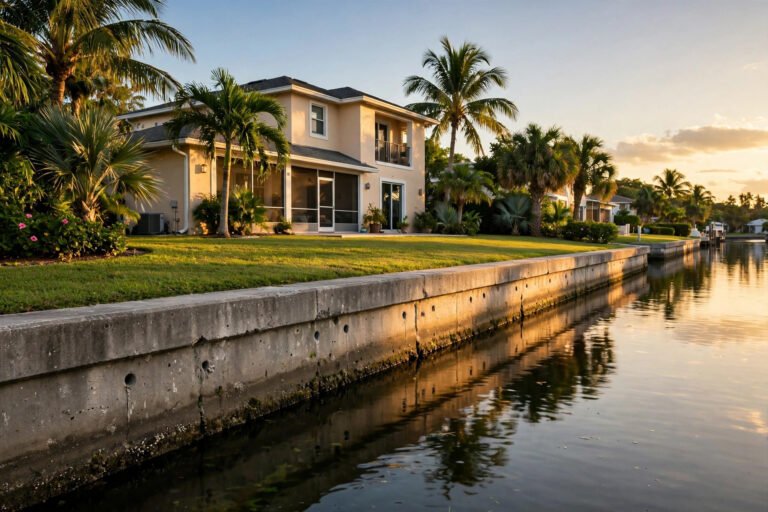
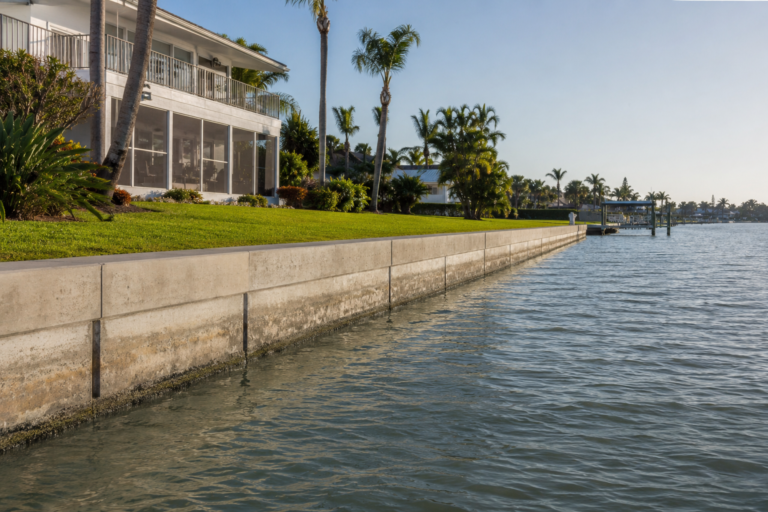
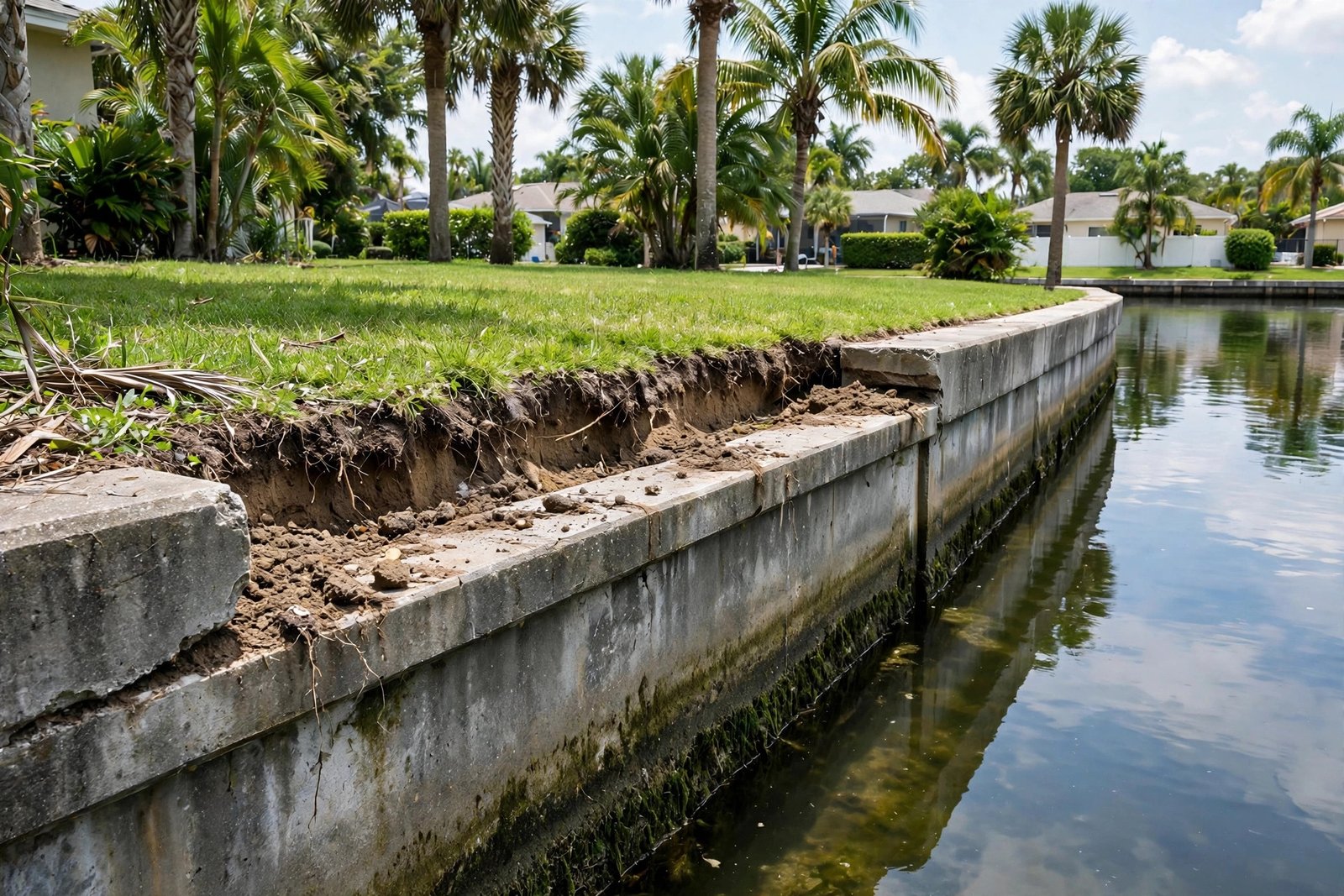
Stand on the water side of your property and look at your seawall. It probably looks fine. Now walk ten feet back into your yard and look at the ground right behind it. If you see a dip, a soft spot, or a gap opening between the soil and the back of the wall, you are looking at one of the most common and most ignored seawall problems in Pinellas County: soil loss behind the wall.
It happens slowly and invisibly. Water works its way through tiny openings in the wall, grain by grain, tide after tide, and carries your yard out into the canal. By the time most homeowners notice, there are voids under their pavers or their pool deck is settling. The good news is that soil loss is one of the most fixable seawall problems there is, and it rarely requires tearing out the wall.
How Soil Gets Out From Behind a Solid Wall
It feels like a trick. The wall is a solid barrier of concrete or vinyl between your yard and the canal. How does dirt get past it? The answer is that seawalls are not watertight, and they were never meant to be. They are designed to let water pass through in controlled ways. When the water starts taking soil with it, the trouble starts.
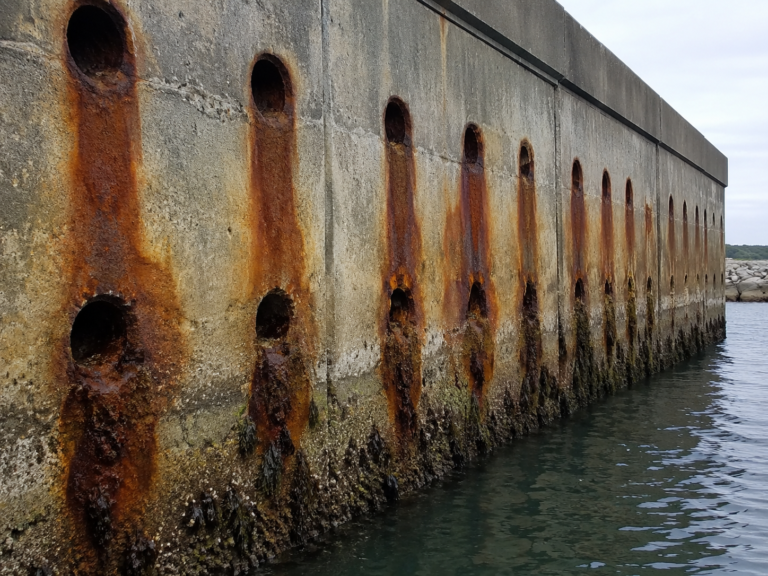
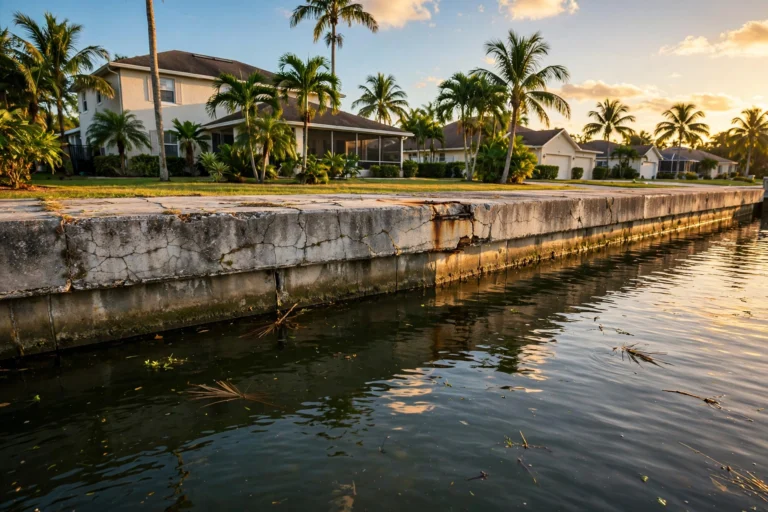
Every tide cycle pushes water against the wall from the canal side and pulls it back out, moving through panel joints, hairline cracks, aging weep holes, and the gap where the wall meets the cap. Each movement carries a little sediment. Over months and years, the little becomes a lot. What starts as a trickle of sandy water through a joint becomes a channel, then a cavity, then a void big enough to swallow a paver.
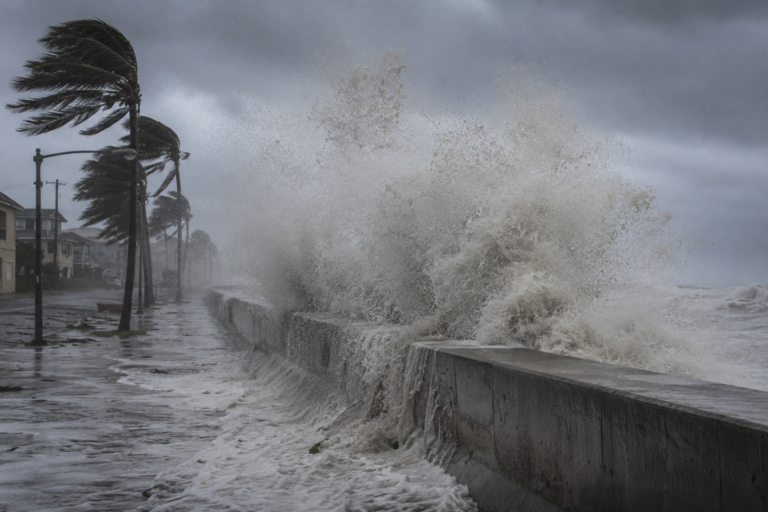
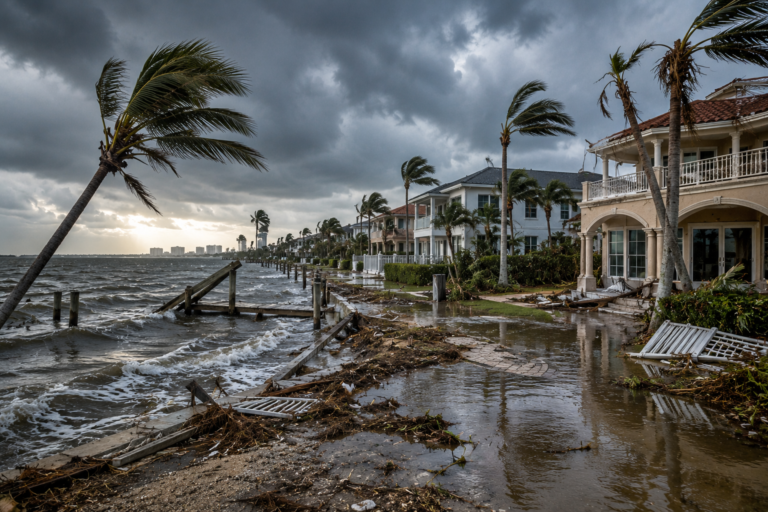
Boat wakes make it worse. On the narrow residential canals that wind through St. Pete, Treasure Island, and the beach towns, every passing boat slaps a wave against the wall. Each slap is a small pressure spike that works joints loose and pumps water and soil back and forth. Storms accelerate everything further. A single storm surge or a stretch of king tides can move more soil in a weekend than an entire quiet season. After Hurricane Helene pushed surge through Pinellas County, more than a few homeowners discovered dips and holes behind their walls that had not been there a week earlier. The surge did not create the weak joints. It just found them and made the damage impossible to ignore.
The Warning Signs Most Homeowners Walk Right Past
Soil loss rarely announces itself dramatically. It shows up as small, easy-to-dismiss changes in your yard, and learning to read them is the difference between a straightforward stabilization job and a collapsed wall.
The classic sign is a depression or soft spot in the ground within a few feet of the wall. If you can press your foot into the soil and feel it give, soil has gone somewhere. It went out through the wall.
Sinking pavers and settling concrete are the next chapter. Patios, walkways, and pool decks near the waterline rest on backfill, and when voids open under them, they crack and drop. If your pavers are migrating toward the canal, do not assume it is normal settling. On waterfront property, it usually is not.
Look along the top of the wall for a gap between the cap and the soil behind it. On a healthy wall, the backfill sits tight against the cap. When soil washes out, a visible slot opens up. That slot is a direct look at the void forming below.
Other telltales: fence posts near the water leaning waterward, sandy residue streaming down the face of the wall at the joints, and seawall weep holes that run muddy water instead of clear water after a rain. Muddy discharge means the drain is carrying soil, not just water.
One simple test costs nothing. After a heavy rain or a high tide, walk the length of your wall on the yard side and look for new soft spots or spots that drain oddly fast. Mark them with a stick and check again in a week. If the spot is growing, you have active soil loss and it is time to call someone.
Why Pinellas County Is Especially Prone to Soil Loss
Soil loss happens to seawalls everywhere, but our county has a combination of factors that makes it a local specialty.
First, our soil. Much of Pinellas County’s waterfront sits on fine sand and shelly fill. It drains fast, which is good for drainage, and it moves easily, which is bad for everything else. Fine sand is the easiest common soil for water to carry away.
Second, our water. The Intracoastal Waterway and the canal systems feeding it give us big tidal swings, heavy boat traffic in tight channels, and direct exposure to Gulf storm surge. Walls here take more hydraulic punishment than walls on a quiet lake.
Third, our housing stock. Enormous stretches of Pinellas waterfront were built out in the 1960s through the 1980s, and many of those original concrete panel walls are still in service. Fifty years of tide cycles have worked their joints the way a river works a canyon, slowly and without mercy. If your wall dates to the original build of your neighborhood, assume its joints are tired.
Finally, our weather. Hurricane season runs June through November, and fall brings king tides that push water higher than normal against the wall for days at a time. A wall that survives a calm spring can lose real soil during one rough October.
What Happens If You Ignore It
Voids do not stabilize on their own. They grow. A cavity that starts as a pocket behind one panel joint migrates along the wall as water finds the path of least resistance, and the unsupported span gets longer.
The first casualty is usually the yard itself. Depressions widen, pavers collapse into cavities, and irrigation lines buried in the backfill get exposed or broken. Then the structures go: pool decks crack and drop, driveways settle at the water end, and in bad cases the wall itself begins to lean or bow as the soil that braced it disappears. A leaning wall is a wall approaching failure, and the signs your seawall is failing often start with soil loss nobody addressed.
There is also a quieter cost. Every cubic foot of soil that washes out is a cubic foot that has to be replaced when the repair finally happens, on top of fixing the leak that caused it. Catching soil loss early keeps the fix to sealing and stabilization. Catching it late turns it into structural repair, and the price difference is not small.
How Contractors Fix Soil Loss Without Rebuilding the Wall
Here is the part most homeowners do not expect. In the majority of cases, soil loss does not require a new seawall. It requires sealing the leaks and refilling the voids, without tearing up your yard.
Polyurethane Grout Injection
The standard fix is chemical grout injection, sometimes called soil stabilization or void filling. The crew drills small ports through or just behind the wall at the problem joints and pumps a hydrophobic polyurethane resin that expands on contact with water, filling voids and permeating the surrounding soil. It cures into a solid, water-resistant mass that locks the soil in place and seals the leak path in one step.
The resin follows the path of least resistance, which means it finds the voids and channels rather than spreading randomly. Because the ports are small and the work happens behind the wall, there is no excavation and no torn-up yard. Most residential jobs finish in a day or two.
Local case work backs this up. Stabilization contractors have documented jobs right here in St. Petersburg and Clearwater where voids extending ten to fifteen feet behind the wall were filled and sealed with injected polyurethane, and the treated sections then rode out subsequent storms with no further soil loss.
Sealing the Joints and Restoring Drainage
Grout alone is only half the job. A good contractor also seals the joints and cracks the water was using, typically with hydraulic cement or marine-grade sealants, and then makes sure the wall can still drain. The wall must pass water without passing soil.
That is where drainage hardware comes in. Clogged or missing weep holes get cleaned or replaced, and many contractors now install cleanable filter inserts that let water out while keeping soil in. A sealed wall with no drainage just trades soil loss for hydrostatic pressure buildup, which brings its own failures. The two fixes belong together.
When Grout Is Not Enough
Soil stabilization assumes the wall itself is still structurally sound. If the panels are severely cracked, the wall is leaning, or the tieback system holding the top of the wall has corroded through, filling voids is putting a bandage on a broken bone. An honest contractor will tell you when the wall has crossed from repairable to replaceable, and that conversation is worth having before you spend money on stabilization.
What to Expect on Price and Timeline
Soil stabilization is usually priced by the linear foot of wall treated or as a flat project price based on the extent of the voids, and reputable contractors will want to see the site, and sometimes probe for voids, before quoting. As a rule of thumb, grout injection runs a fraction of full seawall replacement, which local homeowners typically see quoted in the hundreds of dollars per linear foot as of 2026. For many properties, stabilization lands in the low thousands to the low five figures depending on how much wall is affected.
Be wary of anyone who quotes over the phone without looking, and equally wary of anyone who jumps straight to recommending a full rebuild for what looks like a soil problem. Get the diagnosis first. Ask the contractor to show you the voids and to explain which joints are leaking and how the drainage will be handled after the injection.
Timing matters too. Stabilization work can be done any time of year, but scheduling it in the calmer months means the repair is in place before the next round of king tides and summer storms tests it.
Keeping the Soil Where It Belongs After the Repair
A stabilized wall is not a maintenance-free wall. The repair buys you decades, but only if the conditions that caused the soil loss do not quietly return.
Keep the drainage working. Weep holes and filter inserts need periodic cleaning, and downspouts and yard drains should carry roof and surface water away from the wall, not dump it right behind the cap. Water arriving from the yard side is just as capable of moving soil as water arriving from the canal side.
Watch the backfill grade. The soil behind the cap should slope gently away from the wall so surface water runs off instead of ponding against it. If landscaping or erosion has created a low trough along the cap, regrade it. It is a thirty-minute job with a shovel that prevents a real problem.
Go easy on heavy loads near the wall. Parked boats on trailers, dumpsters during renovations, and heavy equipment all stress the backfill. Keep the heaviest loads a reasonable distance back from the cap, especially on older walls.
And keep up the habit that would have caught this early: walk the yard side of your wall a few times a year and after every major storm or king tide stretch. Look for new dips, gaps at the cap, and muddy weep hole discharge. Five minutes of looking is the entire maintenance program for soil loss, and it works.
Talk to a Local Seawall Expert
If the ground behind your seawall is dipping, your pavers are settling, or you can see a gap opening along the cap, do not wait for it to get worse. Soil loss only moves in one direction. Call (727) 316-5675 and talk to someone who works on Pinellas County seawalls every day. We will help you figure out whether you are looking at a simple stabilization job or something bigger, and what it will take to keep your yard where it belongs.
Q: How do I know if I have voids behind my seawall?
A: Look for depressions or soft spots in the yard within a few feet of the wall, sinking pavers, a visible gap between the soil and the back of the cap, or fence posts leaning toward the water. A contractor can confirm voids by probing the backfill, and the evidence at the surface is usually enough to justify a closer look.
Q: Can I just fill a sinkhole behind my seawall with dirt?
A: You can, but it will wash right back out. Fresh fill does nothing to seal the leak path the water is using, so the next tide cycle starts carrying it away again. The correct order is to seal the joints and cracks first, then stabilize the soil with injected grout, then replace and compact the backfill. Fill without sealing is money in the canal.
Q: Does grout injection damage the seawall?
A: No. The injection ports are small, the resin is pumped at controlled pressure, and the material is hydrophobic polyurethane designed for exactly this use, including curing underwater. It fills voids and seals leaks without stressing the panels. It is far less invasive than any alternative that involves excavation.
Q: How long does soil stabilization last?
A: The cured resin itself does not wash out, break down in saltwater, or lose strength under normal conditions, so the stabilized zone is effectively permanent. What determines the long-term outcome is the rest of the system: the wall’s structural condition, the joints staying sealed, and the drainage staying clear. Keep up basic maintenance and the fix should outlast the wall’s remaining service life.